Bushfire Architecture
Your block is in a bushfire zone. Council requires a BAL assessment. You need an architect who understands AS3959 compliance—not just in theory, but in practice.
For 25 years, we've designed luxury coastal homes in bushfire-prone areas across the Central Coast, from Newcastle to Newport. We don't avoid bushfire zones. We've built our expertise specifically solving them—including BAL Flame Zone (BAL-FZ), the most restrictive classification.
Understanding BAL Ratings
Bushfire Attack Level (BAL) ratings determine construction requirements based on your site's bushfire risk:
BAL-Low: Insufficient risk for specific construction requirements
BAL-12.5: Ember attack protection required
BAL-19: Moderate radiant heat and ember attack
BAL-29: Increased radiant heat exposure (up to 29 kW/m²)
BAL-40: High radiant heat exposure (up to 40 kW/m²)
BAL-FZ (Flame Zone): Direct flame contact and maximum radiant heat
To understand these numbers: direct sunlight delivers approximately 1 kW/m² of radiant heat at ground level on a clear day. BAL-29 exposes buildings to 29 times that intensity. BAL-40 means 40 times solar radiation. BAL-FZ adds direct flame contact on top of maximum radiant heat exposure.
Each level escalates construction requirements—materials, glazing specifications, roof systems, and detailing complexity. BAL-FZ represents the highest level of bushfire risk, requiring non-combustible construction and rigorous attention to ember entry points.
Bushfire Compliance and Design Quality
BAL-FZ compliance doesn't mean compromising architectural quality. Our bushfire projects have received multiple awards—bushfire ratings determine material requirements and detailing, not design outcomes.
The material constraints (concrete construction, fire-rated glazing, metal roofing) often result in more durable, thermally efficient buildings than standard timber construction. Bushfire compliance is a design parameter, not a design limitation.
Our Bushfire Design Approach
Bushfire compliance isn't just about ticking boxes. It requires integrated design thinking from the earliest concept stages.
Site Assessment and BAL Determination
We work with accredited bushfire consultants (BPAD) to assess your site and determine the appropriate BAL rating. Sometimes careful building placement can reduce BAL requirements—moving a house just a few meters can make the difference between BAL-29 and BAL-40.
Material Selection
Different BAL ratings demand different material responses. We've successfully used:
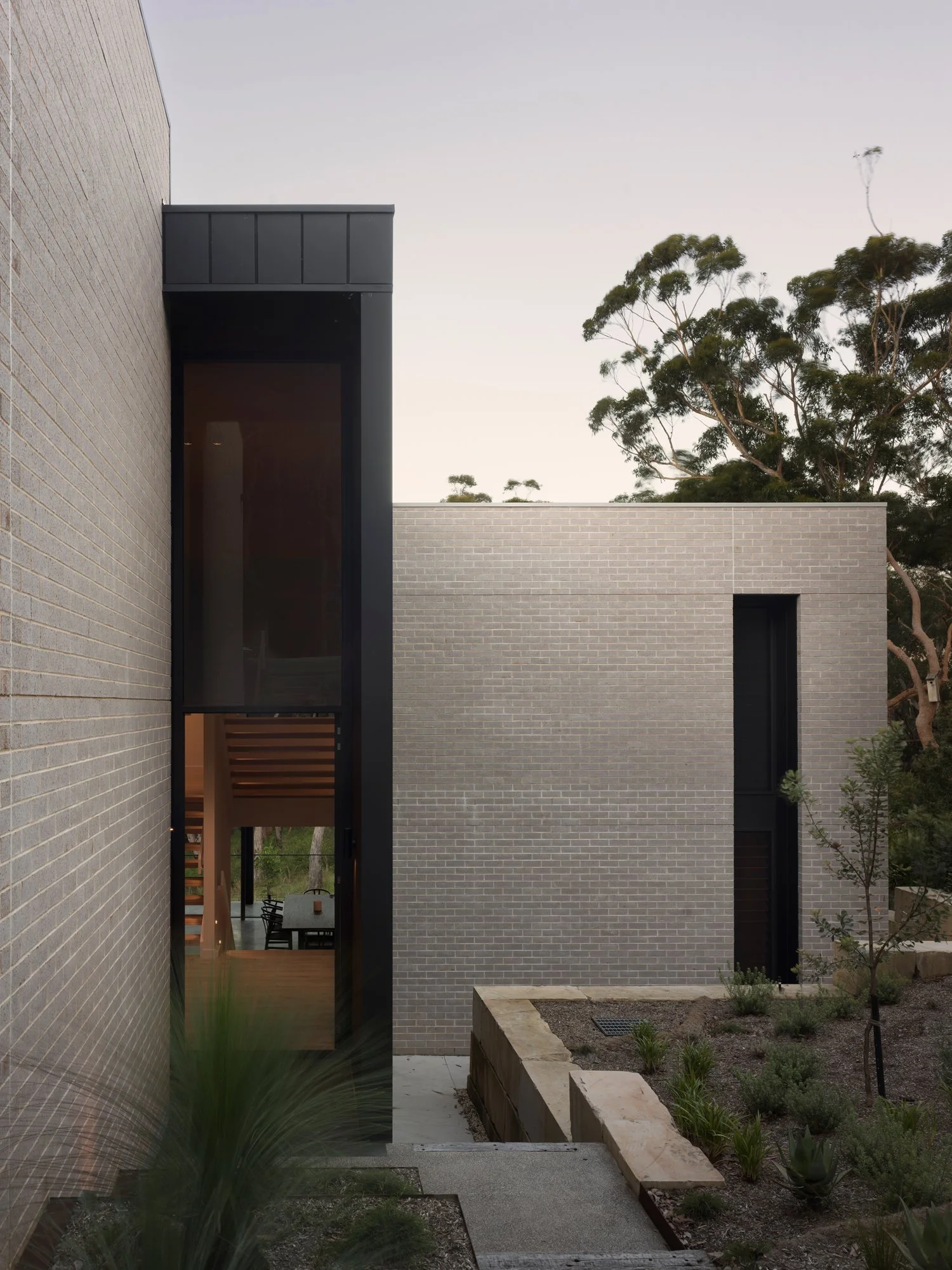
Board-formed and class-finish off-form concrete for thermal mass and non-combustible construction
Steel framing systems where appropriate
Fire-rated glazing and screening systems
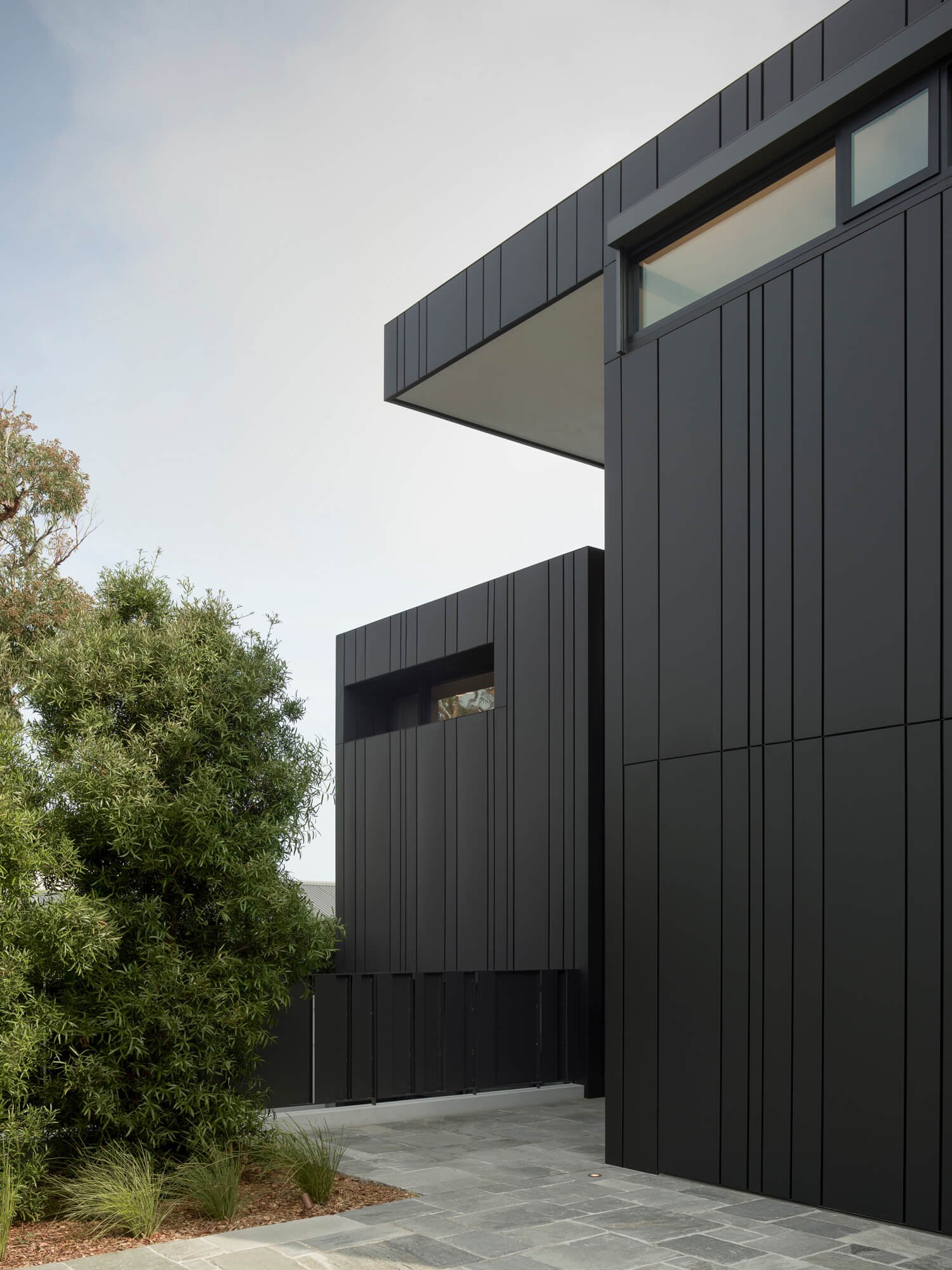
Metal roofing and non-combustible cladding
Bushfire-compliant decking and external structures
The goal is bushfire safety without compromising architectural quality.
Asset Protection Zones
BAL ratings determine required setbacks from bushfire hazards. We coordinate with bushfire consultants and landscape architects to design Asset Protection Zones (APZ) that meet RFS requirements while maintaining site amenity and vegetation where possible.
Detailing for Ember Protection
Embers cause most building losses in bushfires. Our detailed documentation addresses:
Roof-wall junctions and eave details
Sub-floor enclosure and ventilation
Window and door seals
Deck attachments and screening
Service penetrations
Every junction and penetration is detailed to prevent ember entry.
Council and RFS Approval Process
Bushfire-prone sites require:
Bushfire Assessment Report from BPAD consultant
Compliance with Planning for Bush Fire Protection 2019
Detailed construction methodology
Materials specifications meeting AS3959 requirements
Often, referral to NSW Rural Fire Service
We've successfully secured DA approvals on complex bushfire sites for over two decades, meeting Central Coast Council and RFS requirements.
Recent BAL-FZ Projects
Killcare Heights Escarpment House sits on a BAL Flame Zone site on the edge of coastal escarpment. Board-formed concrete construction provides both bushfire resistance and thermal performance, while careful detailing addresses ember attack and radiant heat exposure.
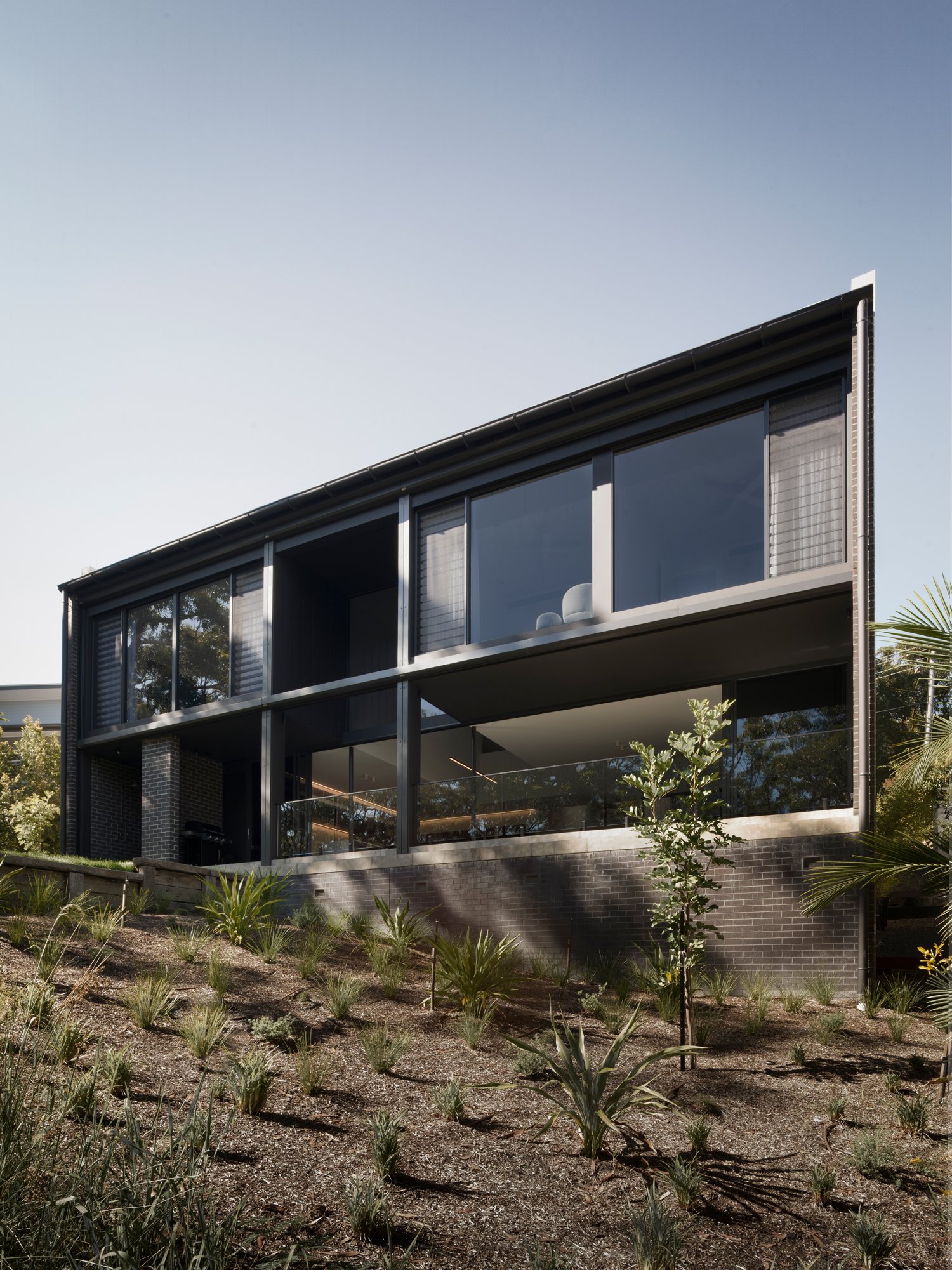
Beachview House at Macmasters Beach combines BAL-FZ compliance with steep site challenges on the edge of Bouddi National Park. The design utilizes concrete construction, fire-rated glazing, and strategic landscape management to meet stringent bushfire requirements.
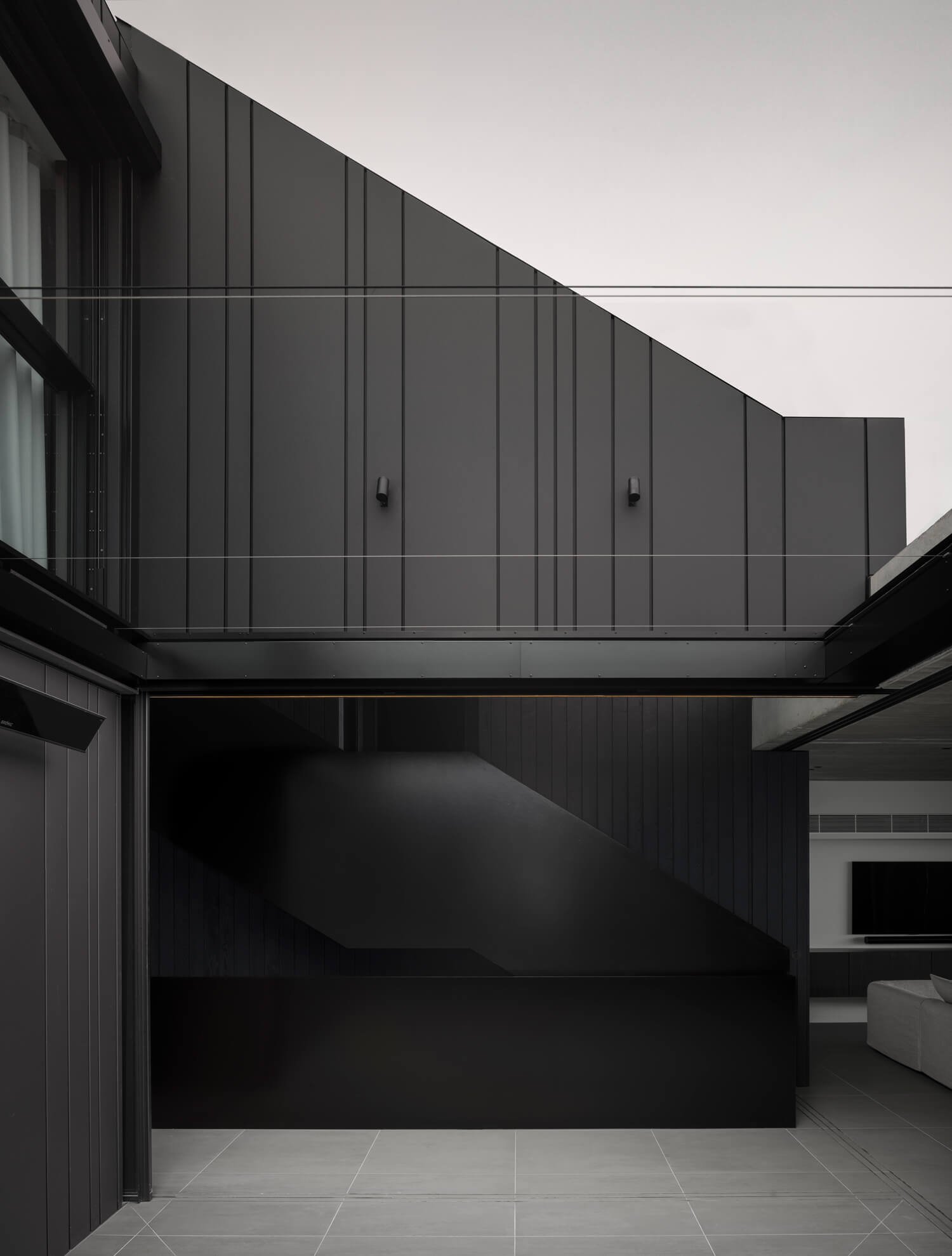
10/30 House at Pearl Beach combines flood and BAL-12.5 bushfire compliant design. Double brick lower level with polished concrete floors and suspended concrete elements (kitchen island, entertainment unit, outdoor BBQ) positioned above flood level. Timber frame upper levels with compressed fiber cement cladding and Colorbond roofing.
Why Bushfire Compliance Doesn't Mean Compromise
Some architects avoid bushfire zones entirely. Others treat compliance as a constraint that limits design quality.
We see it differently.
Bushfire compliance demands rigorous material selection and detailing—disciplines that often result in more durable, thermally efficient, and architecturally resolved buildings. Concrete construction, careful orientation, and thoughtful landscape design aren't compromises. They're opportunities for better architecture.
Our bushfire projects have received multiple awards, demonstrating that compliance and design excellence aren't mutually exclusive.
NatHERS and Energy Efficiency
Bushfire compliance often aligns with energy efficiency. Concrete thermal mass, controlled glazing, and careful solar orientation—all bushfire design considerations—contribute to superior thermal performance.
As NatHERS accredited assessors, we integrate energy modeling throughout the design process, ensuring bushfire-compliant homes also achieve high energy efficiency ratings.
Your Bushfire Zone Project
If you're facing bushfire compliance requirements, we can help. Our process begins with site assessment and assisting you to engage the right consultants for your project, followed by integrated design that addresses bushfire safety, site conditions, and architectural quality simultaneously.
We've spent 25 years proving that bushfire zones can accommodate exceptional coastal architecture.
Contact us to discuss your bushfire project.